
Wisconsin residents can combat robocalls through state robocall laws that restrict timing and require prior consent for marketing calls. Key protections include registering numbers on the National Do Not Call Registry, blocking unknown numbers, using filtering apps, and documenting intrusive calls to report to the Wisconsin Department of Agriculture, Trade and Consumer Protection (WTCP). By combining these measures, residents can reduce robocalls and protect themselves from fraud.
Robocalls are a persistent nuisance, with Wisconsin residents facing an influx of unwanted automated calls daily. These calls not only disrupt daily life but also raise privacy concerns under the state's robocall laws. The problem is compounded by the evolving tactics used by telemarketers and scammers, making it challenging for residents to opt out effectively. However, there are swift and authoritative solutions available. This article delves into the strategies that Wisconsin residents can employ to stop robocalls, leveraging legal protections and technological advancements to reclaim their peace of mind in today's digital landscape.
Understand Wisconsin's Robocall Laws
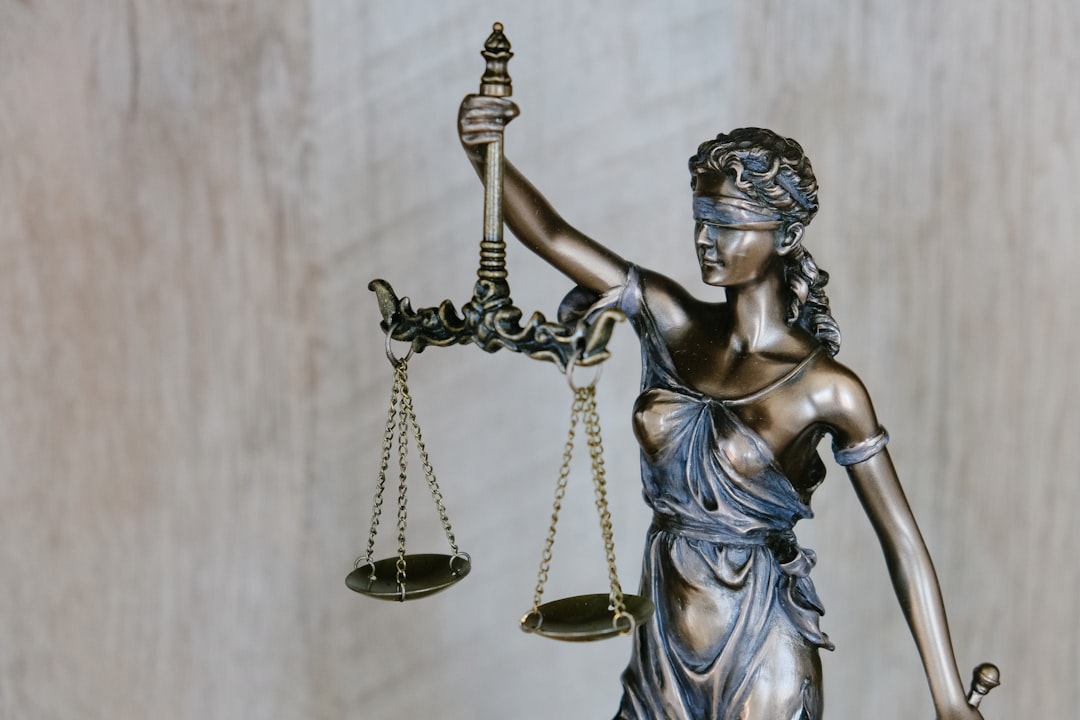
Wisconsin residents can take a stand against unwanted robocalls by understanding and leveraging the state's robust robocall laws. The Wisconsin Administrative Code strictly regulates telemarketers, defining robocalls as automated calls using prerecorded messages or artificial voices. These laws empower residents to file complaints with the Wisconsin Department of Agriculture, Trade and Consumer Protection (WTCP), which can investigate and take action against violators.
Key provisions include restrictions on when robocalls can be made—typically prohibiting them before 7:30 a.m. and after 9 p.m.—and requiring telemarketers to obtain prior written consent from recipients for marketing calls. Importantly, Wisconsin law allows residents to register their phone numbers with the National Do Not Call Registry, further curbing unwanted calls. By combining these legal protections with individual action, Wisconsinites can significantly reduce the volume of robocalls they receive.
Practical steps include reviewing call histories regularly, blocking unknown numbers, and using apps that filter out spam calls. When a robocall is received, documenting details such as the caller's identification, message content, and timing can aid in complaints to the WTCP. This collective effort not only protects residents from intrusive calls but also sends a strong signal to telemarketers about the seriousness of Wisconsin's robocall laws.
Identify and Block Automated Calls

Wisconsin residents are among millions across the country facing an increasing onslaught of robocalls, which can be frustrating and intrusive. According to the Federal Trade Commission (FTC), robocalls account for nearly 50% of all calls in the United States. To combat this issue, Wisconsin has implemented specific robocall laws designed to protect consumers. One effective strategy for residents is to identify and block automated calls.
The first step is recognizing a robocall when you receive one. These calls often use computer-generated voices and generic scripting, which can be easily detected by paying attention to the content and delivery of the message. Look out for prerecorded messages or unusual pause patterns between rings. Once identified, Wisconsin residents have several tools at their disposal to block these unwanted calls. Many smartphones come with built-in call blocking features that allow you to create a list of numbers to restrict. Additionally, there are dedicated apps available that specialize in blocking robocalls by using community-driven databases to identify and filter out automated callers.
Another crucial method is signing up for the National Do Not Call Registry. This federal program allows consumers to opt-out of telemarketing calls, including robocalls, from businesses across the nation. By registering, you grant permission to block calls from registered companies. Notably, Wisconsin's robocall laws also empower residents to file complaints with the state's Division of Consumer Protection if they suspect illegal or nuisance calls. These complaints can lead to investigations and potential penalties for violators, helping to curb excessive robocalling activities.
File a Complaint with State Authorities

Wisconsin residents dealing with a deluge of robocalls have a powerful tool at their disposal: filing a complaint with state authorities. The Wisconsin Department of Agriculture, Trade and Consumer Protection (DATCP) plays a crucial role in combating unsolicited telemarketing calls, or robocalls, by enforcing the state's strict robocall laws. These laws empower consumers to take action against unwanted phone calls that violate their privacy and disrupt daily life.
When a Wisconsin resident receives a robocall, they have the right to file a complaint with DATCP. This simple yet effective step serves as a report of abusive telemarketing practices. The department investigates these complaints, working tirelessly to identify and penalize companies engaging in illegal or deceptive calling activities. By filing a complaint, residents contribute to a collective effort to deter robocallers and protect their fellow citizens from harassment.
According to recent data, Wisconsin has seen a significant rise in consumer complaints related to robocalls, underscoring the need for continued vigilance. Consumers are encouraged to document suspicious calls, including the caller's number, message content, and timing. This information is invaluable when filing a complaint, ensuring that authorities can trace and prosecute offenders effectively. DATCP provides an accessible online platform where residents can easily submit their complaints, making the process convenient and efficient.
In addition to individual complaints, Wisconsin residents can also support broader anti-robocall initiatives by advocating for stricter regulations. The state's robocall laws are continually updated to stay ahead of evolving telemarketing tactics. By staying informed about these changes and sharing knowledge within their communities, residents can collectively strengthen defenses against robocalls, ensuring a safer and more peaceful communication environment.
Protect Yourself: Security Measures at Home
Wisconsin residents can take proactive measures to protect themselves from robocalls, leveraging both technological advancements and legal frameworks. The Wisconsin robocall laws empower citizens with tools to combat these unsolicited calls. One of the primary lines of defense is installing a call-blocking application. These apps are designed to recognize and block numbers associated with automated dialing systems, significantly reducing the volume of robocalls received. For instance, popular options like RoboKiller and CallHunter boast high success rates in identifying and filtering out unwanted calls.
Implementing strong security measures at home is another crucial step. Wisconsin residents should update their home security systems to include voice recognition technology that can identify and block known robocall patterns. Smart home devices equipped with advanced AI algorithms can learn individual voices within a household, allowing for personalized call blocking. Additionally, keeping phone numbers private through the National Do Not Call Registry is essential. This federal registry restricts telemarketers from calling numbers listed on it, offering a layer of protection against unwanted calls.
Regularly updating security software and being vigilant about suspicious calls are also vital. Wisconsin residents should keep their devices and security software up to date with the latest patches and definitions to counter evolving robocall technologies. Staying informed about emerging scams and blocking known malicious numbers can significantly reduce the risk of falling victim to these fraudulent activities. By combining technological tools and legal safeguards, Wisconsin residents can reclaim control over their phone lines and enjoy greater peace of mind.